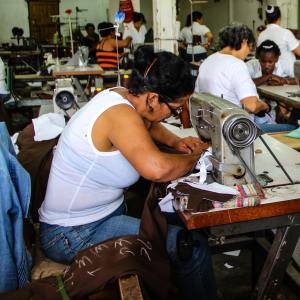
In 2019 American Hispanic women were paid at a rate of fifty-seven percent (57%) of the average U.S. wage. Why is that, and what does it mean, contextually, to the economic status of eighteen percent (18%) of the U.S. population? What does this single stark statistic mean to the overall U.S. economy? Does this single statistic affect the health, academic or social status of Latinos in the U.S. – if so, how?
American economists, sociologists, historians, politicians, political prognosticators and others recognize that these and many other issues about our American Latino population are important and relevant in 21st century America. It is predicted that by the year 2050 Latino citizenry will be the largest U.S. ethnic group, representing 30% of the population. What does all this mean? How is the ‘general’ American citizenry affected by this significant increase in the Latino population? What does this mean to American industry, business, academic institutions, health-delivery systems and the rest?
We don’t have precise answers to all those questions – but with a history of over five-hundred (500) years of Latinos residing and traveling most of what is now the contiguous United States, there are some ‘paths’ (La Veredita) to uncover and new ones to pursue. We want to engage all segments of our society in discussions and deliberations about the meaning and impact of significant increases of our Latino population.
“La Veredita” (The Path) was chartered as a non-profit, 501(c)(3) corporation in March 2020. As founder, my personal goal and desire is that we engage in actionable intellectual discussions about the issues I’ve outlined above – and much broader. The results of these deliberations will drive the scope and methodology needed to acquire, synthesize and present empirical and research quantified data that accurately depicts American Latinos’ impact on business, industry, labor, academia, culture, civic engagement and the health industry over the next few decades. These data can then be used by industry executives, government officials, academics, healthcare providers and others whose work may be impacted by the projected significant increase in our Latino population.
Gracias.
 La Veredita - The Path